Betaine Hydrochloride Review by Dr. Bell
Discover how Betaine HCl supports digestive health, nutrient absorption & more. Dr. Bell's expert review covers benefits, ingredients, and research.

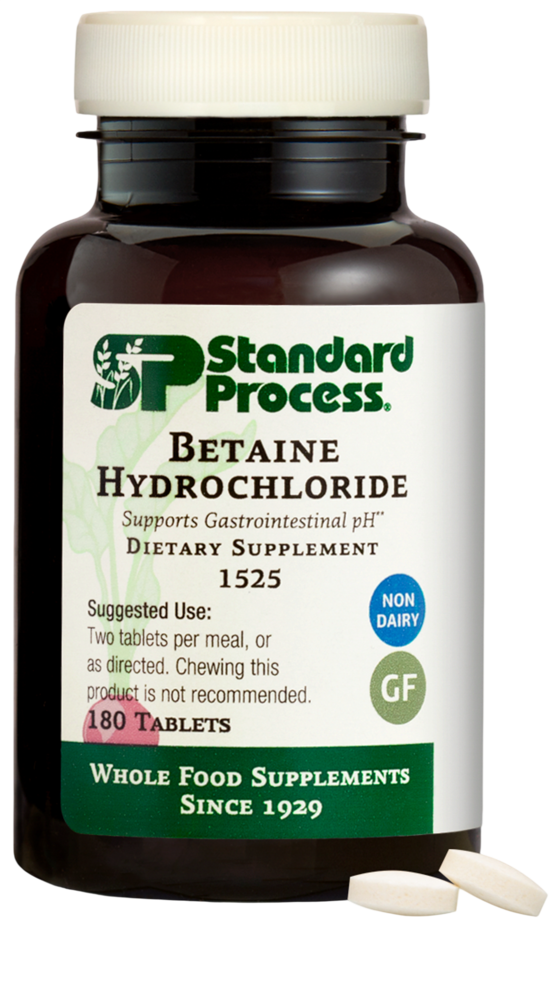
Betaine Hydrochloride: A Digestive Powerhouse Worth Knowing About
If you've ever finished a meal feeling bloated, heavy, or uncomfortably full — even when you've eaten "healthy" — the problem might not be what you're eating, but how well your body is breaking it down. Betaine Hydrochloride (Betaine HCl) is one of the most clinically relevant digestive supplements available today, and it's one that Dr. Bell frequently recommends in practice for patients struggling with low stomach acid and its far-reaching effects.
Stomach acid gets a bad reputation, largely because of the antacid industry. But here's the truth: adequate stomach acid is essential for health. It activates digestive enzymes, breaks down protein, kills harmful pathogens, and enables the absorption of critical nutrients like iron, B12, calcium, and zinc. When stomach acid is insufficient — a condition known as hypochlorhydria — the downstream effects can be significant, contributing to bloating, nutrient deficiencies, fatigue, and even immune vulnerabilities.
Betaine HCl works by supplying hydrochloric acid directly to the stomach, temporarily lowering gastric pH to support optimal digestion. It's a simple concept with powerful implications, and the research behind it is growing steadily.
Optimize Your Health Today
Don't overpay for questionable quality. Get guaranteed authentic products directly from Dr. Bell's dispensary for less than Amazon, plus enjoy free shipping and returns.
Key Ingredients
Understanding what's inside a Betaine HCl supplement helps you make informed choices. Here's what to look for on the label:
Betaine Hydrochloride
The star of the show. Betaine HCl is a compound derived from betaine (trimethylglycine), an amino acid-like molecule found naturally in beets, spinach, and whole grains. When the hydrochloride molecule is added, it provides a source of hydrochloric acid upon dissolution in the stomach. Quality supplements typically provide 500–750 mg per capsule, though doses can vary based on individual need and practitioner guidance.
Pepsin
Many high-quality Betaine HCl formulations also include pepsin, a proteolytic enzyme that's naturally secreted in the stomach and works synergistically with hydrochloric acid to begin protein digestion. Since pepsin is only activated in an acidic environment (pH 1.5–3.5), supplementing it alongside Betaine HCl makes practical sense. Look for formulations that include pepsin at 3,000–5,000 IU.
Optional Co-Factors
Some formulations include digestive bitters, gentian root, or ginger extract to further stimulate natural gastric secretions and support motility. These additions can enhance the overall digestive effect, particularly for individuals with sluggish digestion.
Who Is Betaine HCl Best For?
Betaine HCl isn't a one-size-fits-all supplement — but it addresses a surprisingly common issue. Here are the individuals who may benefit most:
- Adults over 40: Stomach acid production naturally declines with age, making hypochlorhydria increasingly common after middle age.
- Those with nutrient deficiencies: Low levels of B12, iron, magnesium, zinc, or calcium — despite adequate dietary intake — can indicate poor absorption linked to insufficient gastric acid.
- People with chronic bloating or fullness after meals: These are classic signs that food may not be breaking down efficiently in the upper digestive tract.
- Individuals on long-term proton pump inhibitors (PPIs): Those who are working with their physician to reduce PPI dependency may benefit from Betaine HCl as part of a broader digestive support strategy.
- Those with autoimmune conditions: Conditions like Hashimoto's thyroiditis and rheumatoid arthritis are associated with higher rates of low stomach acid.
- Protein-heavy diets: Athletes or individuals consuming large amounts of dietary protein may benefit from enhanced proteolytic support.
Important Note: Betaine HCl is not appropriate for individuals with active peptic ulcers, gastritis, or those currently taking NSAIDs or corticosteroids. Always consult with Dr. Bell or your healthcare provider before beginning supplementation.
Frequently Asked Questions
Q: How do I know if I have low stomach acid?
Common signs include persistent bloating, belching after meals, a sense of fullness shortly after eating, undigested food in stool, brittle nails, and frequent infections. A healthcare provider can help assess your gastric function and determine whether Betaine HCl is appropriate for your situation.
Q: How should I take Betaine HCl?
Most practitioners recommend starting with one capsule (typically 500–650 mg) at the beginning of a protein-containing meal. If no discomfort is experienced, the dose can be gradually increased under professional guidance. A warm or burning sensation in the chest is a sign to reduce the dose.
Q: Can I take Betaine HCl with other supplements or medications?
Betaine HCl can enhance the absorption of certain nutrients and medications, which could be beneficial or require monitoring. It should not be taken with acid-suppressing medications or NSAIDs. Always review your full supplement and medication list with your healthcare provider.
Q: Is Betaine HCl the same as regular betaine (TMG)?
No. Trimethylglycine (TMG) is the betaine molecule without the hydrochloride component. TMG is used primarily for cardiovascular and methylation support, not for digestive acid replenishment. They share a parent compound but serve different physiological roles.
Q: How long does it take to see results?
Many individuals notice improved digestive comfort within one to two weeks of consistent use. Nutrient repletion effects, however, may take several months as stores rebuild — particularly for nutrients like B12 and iron.
Scientific Research
The science behind Betaine HCl is both established and evolving. Here are some key findings from published literature:
1. Hypochlorhydria and Nutrient Absorption Research published in the Journal of the American College of Nutrition confirms that reduced gastric acid significantly impairs the absorption of vitamin B12, calcium, iron, and magnesium. Restoring adequate gastric pH through supplemental HCl has been shown to improve bioavailability of these nutrients. 🔗 NIH – Gastric Acid and Micronutrient Absorption
2. Betaine HCl and Gastric pH A 2014 study published in Drug Development and Industrial Pharmacy demonstrated that a single 1,500 mg dose of Betaine HCl temporarily and significantly acidified gastric pH in healthy volunteers. This provides direct evidence for its mechanism of action and potential use in those with achlorhydria or hypochlorhydria. 🔗 PubMed – Betaine HCl and Gastric Acidification
3. Aging and Stomach Acid Decline Research from the American Journal of Clinical Nutrition highlights that gastric acid secretion declines with age due to atrophic gastritis, affecting a significant proportion of older adults. Supplemental stomach acid support is increasingly recognized as a relevant intervention. 🔗 NIH – Aging and Gastric Acid
4. Protein Digestion and Pepsin Synergy Studies consistently demonstrate that pepsin activity is pH-dependent, with optimal function occurring between pH 1.5 and 3.5. When stomach pH rises above this range, proteolysis becomes inefficient — reinforcing the clinical rationale for combining Betaine HCl with pepsin. 🔗 PubMed – Pepsin Activity and pH
Betaine HCl is a well-reasoned, evidence-supported supplement for individuals whose digestive function could use a helping hand. Whether you're dealing with chronic bloating, unexplained nutrient deficiencies, or simply want to optimize how well your body processes the food you eat, it's a conversation worth having with Dr. Bell. The foundation of lasting health begins in the gut — and making sure your stomach can do its job is an excellent place to start.

About the Author: Dr. Bell
Dr. Bell is a leading expert at Dr. Bell Health. As a holistic health practitioner and chiropractor with a deep passion for evidence-based supplementation, Dr. Bell provides trustworthy, science-backed insights to help you achieve your optimal health.