Cataplex A Review by Dr. Bell
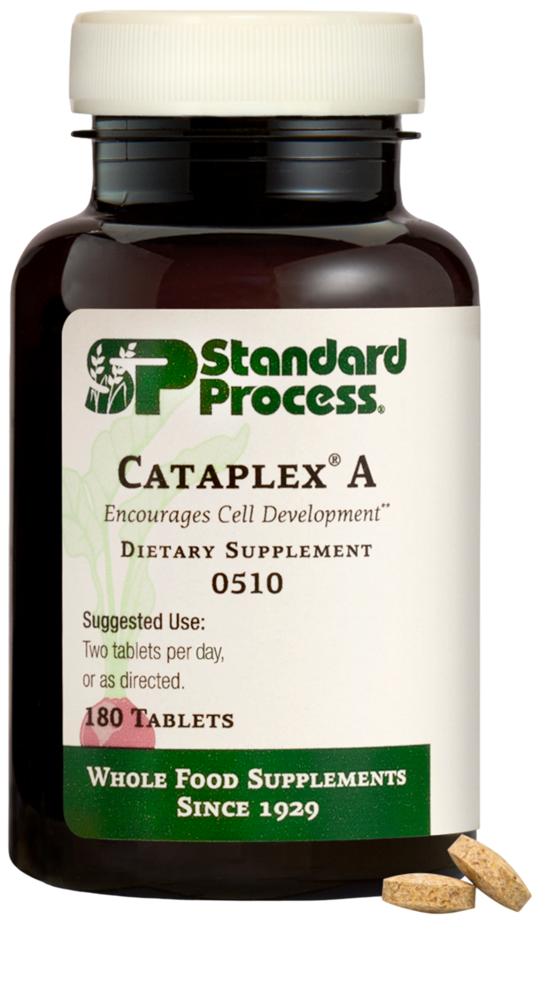
Cataplex A by Standard Process is a whole food vitamin A supplement. Learn what it does, who it helps, and what the research says.

Introduction and Benefits
If you have heard of vitamin A, you probably think of carrots or eyesight. That is a good start, but vitamin A does a lot more than help you see in the dark. It plays a big role in keeping your skin healthy, supporting your immune system, and helping your body's tissues repair themselves.
Cataplex A is a vitamin A supplement made by Standard Process. What makes it a little different from most vitamin A products on the shelf is where the vitamin A comes from. Instead of a synthetic version made in a lab, Cataplex A uses whole food sources. Standard Process has been around since 1929, and their whole approach is built around using real food ingredients rather than isolated or artificial nutrients.
So what does that mean for you? The idea is that nutrients from whole foods come packaged with other natural compounds that help your body recognize and use them more easily. Think of it like eating an orange versus taking a synthetic vitamin C pill. The orange comes with fiber, flavonoids, and other things that work alongside the vitamin C.
Here are some of the main reasons people take Cataplex A:
- Skin health. Vitamin A helps your body produce new skin cells and keep the outer layers of your skin in good shape. People dealing with dry or rough skin often turn to it.
- Eye health. Vitamin A is needed to make a pigment in your eyes called rhodopsin, which helps you see in low light. It also supports the health of the surface of your eye.
- Immune support. Your immune system depends on vitamin A to keep the linings of your respiratory and digestive tracts strong. These linings are one of your body's first defenses against germs.
- Tissue repair. Vitamin A helps the body grow and repair tissues all over, including your organs, bones, and skin.
Optimize Your Health Today
Don't overpay for questionable quality. Get guaranteed authentic products directly from Dr. Bell's dispensary for less than Amazon, plus enjoy free shipping and returns.
Key Ingredients
Cataplex A uses a blend of whole food ingredients rather than a single isolated vitamin. Here is a plain-English look at what is inside.
Vitamin A (from whole food sources)
The vitamin A in Cataplex A comes primarily from fish liver oil and carrot root. Fish liver oil has been used for generations as a natural source of vitamin A. Carrots provide beta-carotene, which your body can convert into vitamin A as needed. This is important because your body controls how much it converts, which lowers the risk of getting too much.
Bovine Liver
Beef liver is one of the most nutrient-rich foods in the world. It provides natural vitamin A along with B vitamins, iron, and natural proteins that support the body. Including it in a supplement form makes it easier to get those benefits without eating liver every day.
Carrot Root
Carrot root brings in beta-carotene and other carotenoids (plant pigments that act as antioxidants). These compounds support eye health and help protect cells from everyday damage.
Other Whole Food Ingredients
Cataplex A also contains ingredients like sweet potato and alfalfa, which add a small range of supporting nutrients. These are not here to fill space. They are included because real food sources naturally come with a mix of supporting compounds.
Who It Is Best For
Cataplex A is a good fit for people who want to support their health with whole food-based nutrients rather than synthetic vitamins. Here are some groups who tend to find it useful.
People with dry or troubled skin. If your skin tends to be rough, flaky, or slow to heal, vitamin A is often one of the first things a practitioner looks at.
Those who get sick often. If your immune system feels like it could use a boost, especially during cold and flu season, vitamin A is worth looking at as part of a broader plan.
People with low dietary vitamin A. If you do not eat many eggs, dairy products, liver, or orange and yellow vegetables, your intake might be lower than ideal.
Those who prefer whole food supplements. Some people simply do not want synthetic vitamins. If that is you, Cataplex A is designed with that in mind.
Adults working with a health practitioner. Cataplex A is often used as part of a care plan rather than as a standalone fix. It pairs well with a conversation with someone like Dr. Bell who can look at your full picture.
It is worth noting that vitamin A in high doses from animal-based sources can build up in the body. This is not a common concern with whole food products used as directed, but it is a good reason to work with a practitioner rather than guessing on your own.
Frequently Asked Questions
Is Cataplex A the same as regular vitamin A supplements? Not exactly. Most vitamin A supplements use a synthetic or isolated form of the vitamin. Cataplex A uses whole food sources, which means it comes with other naturally occurring compounds alongside the vitamin A itself.
Can I take too much vitamin A? Yes, in theory. Vitamin A from animal sources (called retinol) can build up in your body if you take very high amounts over time. That is why it is a good idea to follow the suggested amount on the label and check in with a practitioner if you are unsure.
How long does it take to notice a difference? This varies from person to person. Some people notice changes in their skin or energy within a few weeks. For immune support, it is more of a long-term investment than a quick fix.
Is it safe for children? Standard Process makes products for both adults and children, but dosing is different. Talk to a qualified practitioner before giving any supplement to a child.
Does it need to be taken with food? Fat-soluble vitamins like vitamin A are absorbed better when taken with a meal that contains some fat. Taking Cataplex A with food is generally a good idea.
Scientific Research
Here are some real studies that back up what vitamin A does in the body. These are written in plain terms so you can get the idea without needing a science degree.
Vitamin A and immune function. A review published on the NIH website explains how vitamin A helps maintain the linings of the gut and respiratory tract, which are key parts of your immune defense. You can read more here: https://www.ncbi.nlm.nih.gov/pmc/articles/PMC6162863/
Vitamin A and skin health. Research has shown that vitamin A plays a direct role in how the skin produces new cells and repairs itself. This study looks at how it works in skin tissue: https://pubmed.ncbi.nlm.nih.gov/10102829/
Beta-carotene and eye health. The National Eye Institute has published information on how carotenoids like beta-carotene support long-term eye health. You can find more at: https://www.nei.nih.gov/learn-about-eye-health/eye-conditions-and-diseases/age-related-macular-degeneration
Whole food nutrients vs. isolated vitamins. A study in the American Journal of Clinical Nutrition found that nutrients from food sources are often used differently by the body than isolated supplements. This gives some weight to the whole food approach that Standard Process uses: https://pubmed.ncbi.nlm.nih.gov/10479216/
Cataplex A is not a miracle product, but it is a thoughtfully made supplement with a solid track record. If vitamin A is something you have been thinking about, it is worth a conversation with Dr. Bell to see if it fits where you are right now.

About the Author: Dr. Bell
Dr. Bell is a leading expert at Dr. Bell Health. As a holistic health practitioner and chiropractor with a deep passion for evidence-based supplementation, Dr. Bell provides trustworthy, science-backed insights to help you achieve your optimal health.