Cal-Amo Review by Dr. Bell
Cal-Amo by Standard Process supports healthy pH balance and urinary tract health. Learn what's in it, who it's for, and what the research says.

Introduction and Benefits
If you have ever felt like your body is just a little "off" and you can not quite put your finger on why, pH balance might be worth looking at. Your body works hard every day to keep your blood and tissues in a healthy range. When things drift out of balance, you can start to feel it.
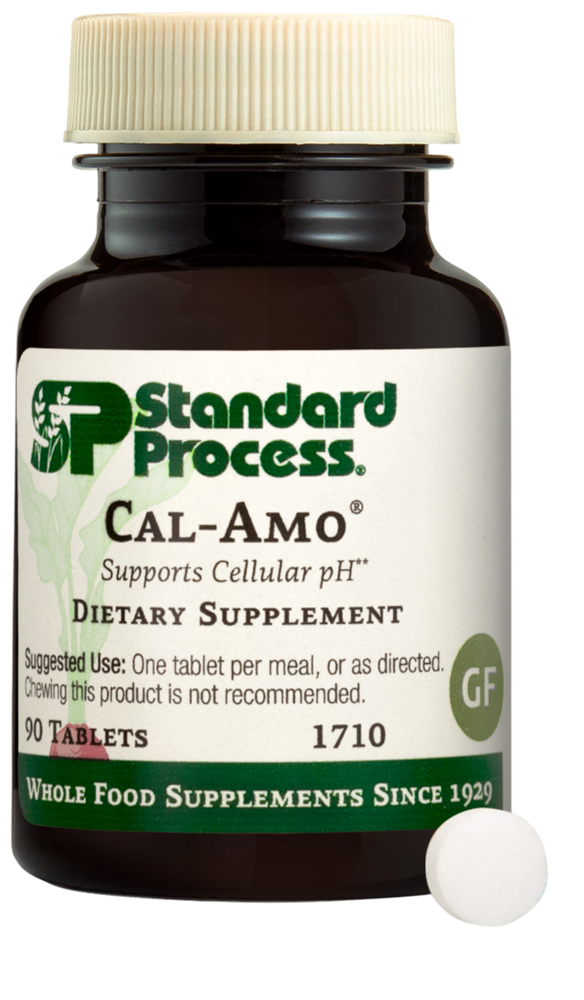
Cal-Amo is a supplement made by Standard Process. It is designed to support the body's natural acid-alkaline balance. It leans on the acidic side, which makes it useful for people whose systems have become too alkaline. That is less common than the usual talk about being "too acidic," but it is a real issue for some people.
So what can Cal-Amo actually do for you? Here is a simple breakdown of the main benefits people and practitioners talk about:
Supports healthy urinary tract function. When urine pH tips too far toward alkaline, it can create an environment where certain bacteria thrive. Cal-Amo may help bring that pH back toward a healthier range.
Helps maintain the body's acid-alkaline balance. Your body uses several systems to keep pH steady. Cal-Amo gives those systems a little extra support, especially on the acidifying side.
Supports the kidneys. The kidneys play a big role in filtering waste and balancing pH. The ingredients in Cal-Amo are thought to support that filtering work.
May help with fluid balance. Some of the minerals in this formula play a role in how the body manages fluids at the cellular level.
This is not a flashy supplement with a long list of promises. It is a simple, targeted formula that does one thing well. Dr. Bell often recommends it for patients who need gentle support in this specific area.
Optimize Your Health Today
Don't overpay for questionable quality. Get guaranteed authentic products directly from Dr. Bell's dispensary for less than Amazon, plus enjoy free shipping and returns.
Key Ingredients
Cal-Amo keeps its formula pretty simple. That is actually a good thing. You know exactly what you are getting, and each ingredient has a clear purpose.
Calcium (from Calcium Chloride and Bone Meal)
Calcium is not just for strong bones. It also plays a role in nerve function, muscle movement, and helping the body manage pH. The calcium in Cal-Amo comes partly from bone meal, which is a natural source that includes small amounts of other minerals alongside it.
Ammonium Chloride
This is the ingredient that makes Cal-Amo different from most calcium supplements. Ammonium chloride is an acidifying salt. It helps shift the body's environment toward a more acidic state. The kidneys process it and release it through urine, which lowers the pH of the urine. That is the main way this supplement does its job.
Betaine Hydrochloride
Betaine HCl is a natural compound that helps support stomach acid levels. Good digestion starts with enough stomach acid. If levels are low, you may not break down food as well, and you may miss out on nutrients. Betaine HCl gives that process a gentle boost.
Calcium Lactate
This is another form of calcium in the formula. It is easy for the body to absorb and helps round out the mineral support in this product.
Proprietary Blend (from Standard Process Whole Food Ingredients)
Standard Process is known for using whole food ingredients in their formulas. Cal-Amo includes small amounts of beet root and other whole food sources. These add trace nutrients that support the overall formula.
Who It Is Best For
Cal-Amo is not a supplement for everyone. It is meant for people with a specific need. Here is a simple look at who tends to benefit most.
People with alkaline urine pH. If a urine test shows your pH is consistently high (above 7.0 or so), your body may be too alkaline. Cal-Amo is designed to help bring that down.
Those dealing with recurring urinary tract issues. High urine pH can make the urinary tract more welcoming to certain bacteria. Bringing pH into a better range may help reduce that risk.
People with low stomach acid. If you often feel bloated after meals, notice undigested food in your stool, or feel full very quickly, low stomach acid might be part of the picture. The betaine HCl in Cal-Amo can support digestion.
Patients under the care of a health practitioner looking to address pH-related concerns. Cal-Amo is a professional-grade supplement. It works best when it is part of a plan that a practitioner has put together for you.
This is not the right supplement if you already tend to run acidic. Taking an acidifying supplement when you do not need it could tip things in the wrong direction. Testing before supplementing is always a good idea.
Frequently Asked Questions
Can I take Cal-Amo without testing my pH first? It is really best to test first. You can find simple pH test strips at most pharmacies. Urine pH gives you a rough idea of where you stand. Even better, have a practitioner look at the full picture before you start.
How do I know if my urine is too alkaline? A healthy urine pH tends to fall between 6.0 and 7.0. If your strips are reading above 7.0 consistently, that is a sign things may be leaning too alkaline. One reading is not the whole story, so test a few times over a couple of days.
Is Cal-Amo safe to take long term? That depends on your individual situation. For most people, short-term use under a practitioner's guidance is safe. Long-term use should always be checked in with your doctor or practitioner. You do not want to over-acidify your system either.
How many tablets do I take? Standard Process recommends following the directions of your health care professional. A common starting point is one to three tablets per meal, but your practitioner may adjust that based on your needs.
Can Cal-Amo interact with medications? Ammonium chloride can interact with certain medications, especially those that are affected by urine pH. If you are on any prescription medications, check with your doctor before starting Cal-Amo.
Scientific Research
The ingredients in Cal-Amo have a fair amount of research behind them. Here is a plain-English look at what the studies say.
Ammonium chloride and urine acidification. Research has shown that ammonium chloride is effective at lowering urine pH. This has been studied in the context of urinary tract health and kidney stone prevention in people who form certain types of stones. You can read more from the National Library of Medicine here: https://pubmed.ncbi.nlm.nih.gov/
Betaine HCl and stomach acid support. A study published in the journal Molecular Pharmaceutics looked at how betaine HCl affects stomach acidity. It found that betaine HCl was able to lower stomach pH in people with low stomach acid, at least temporarily. That supports its use in digestion-focused formulas. More information is available at: https://www.ncbi.nlm.nih.gov/pmc/articles/PMC4253991/
Calcium and pH regulation. Calcium plays a role in many of the body's buffering systems. Research from the NIH highlights calcium's importance in maintaining proper fluid and mineral balance throughout the body. You can explore that here: https://ods.od.nih.gov/factsheets/Calcium-HealthProfessional/
The research is not flashy, but it is solid. Each ingredient in Cal-Amo has a clear job, and the science backs up that the ingredients can do that job. As always, supplements work best as part of a bigger picture of healthy habits and good food choices.

About the Author: Dr. Bell
Dr. Bell is a leading expert at Dr. Bell Health. As a holistic health practitioner and chiropractor with a deep passion for evidence-based supplementation, Dr. Bell provides trustworthy, science-backed insights to help you achieve your optimal health.