Calamari Omega-3 Liquid Review by Dr. Bell
Thinking about trying calamari omega-3 liquid? Here is what you need to know about this fish-free DHA source before you buy.

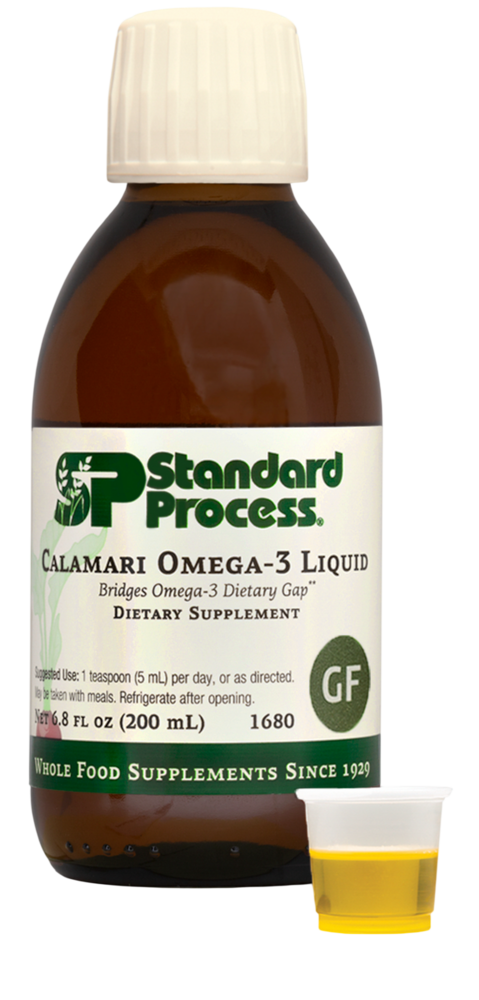
Introduction and Benefits
Most people have heard of fish oil. It has been around for decades and sits on the shelf of just about every health food store. But there is another omega-3 source that does not get nearly as much attention, and it may actually be a better fit for some people. Calamari omega-3 liquid comes from squid, and it is worth a closer look.
Omega-3 fatty acids are healthy fats your body needs but cannot make on its own. You have to get them from food or supplements. The two most important ones are DHA and EPA. DHA stands for docosahexaenoic acid, and EPA stands for eicosapentaenoic acid. Your brain, eyes, and heart all depend on these fats to work well.
Here is what makes calamari oil stand out. It is unusually high in DHA compared to most fish oils. Some fish oils have a fairly even split between DHA and EPA. Calamari oil tips heavily toward DHA, which matters a lot for brain and eye health in particular.
Some of the benefits people look for when taking a calamari omega-3 liquid include:
- Brain support. DHA makes up a large part of the brain itself. Getting enough of it may help with memory, focus, and mood.
- Eye health. DHA is also found in high amounts in the retina of the eye. Keeping levels up may help protect your vision as you age.
- Heart health. Omega-3s in general are well known for supporting a healthy heart and healthy cholesterol levels.
- Joint comfort. Omega-3s can help reduce everyday inflammation, which may ease stiff or sore joints.
- Pregnancy and child development. DHA is especially important during pregnancy and early childhood for healthy brain and eye development.
The liquid form has some real advantages over capsules. It tends to be easier to absorb. You can also adjust your dose more easily, and it mixes well into smoothies or juice if you prefer not to take it straight.
Optimize Your Health Today
Don't overpay for questionable quality. Get guaranteed authentic products directly from Dr. Bell's dispensary for less than Amazon, plus enjoy free shipping and returns.
Key Ingredients
The star of this supplement is the oil itself, pressed from squid (calamari). But the details inside the bottle matter too.
DHA (Docosahexaenoic Acid) This is the main reason people choose calamari oil over regular fish oil. Calamari oil can contain two to three times more DHA per serving than many standard fish oils. For brain and eye support, this is a big deal.
EPA (Eicosapentaenoic Acid) EPA is present in smaller amounts in calamari oil, but it still plays an important role. EPA is more connected to heart health and managing everyday inflammation in the body.
Natural Antioxidants Good quality calamari omega-3 liquids will include a natural antioxidant, often vitamin E (tocopherol). This helps keep the oil fresh and prevents it from going rancid. Rancid oil is not just unpleasant to taste. It can also be less effective and may even cause harm over time.
Lemon or Natural Flavoring Many calamari omega-3 liquids come with a light lemon flavor. This helps cut down on any fishy taste and makes taking it each day much more pleasant.
It is worth checking the label on any product you buy. You want to see the actual DHA and EPA amounts listed clearly, along with third-party testing for purity. Heavy metals and environmental contaminants can be a concern with any marine oil, so choosing a brand that tests for this is a smart move.
Who It Is Best For
Calamari omega-3 liquid is a good fit for a wide range of people.
Adults over 40 often find it especially useful. DHA levels in the brain can drop as we age, and keeping them up may help with mental sharpness and memory.
Pregnant or breastfeeding women are often told to get more DHA because it supports the baby's developing brain and eyes. Always check with your doctor before adding any supplement during pregnancy.
Children can benefit too, since their brains are still developing. The liquid form makes it easy to adjust the dose for smaller bodies, and it can be stirred into food or drink.
People who do not eat much fish are great candidates for this supplement. If you do not regularly eat salmon, sardines, or other fatty fish, you may not be getting enough omega-3s from your diet.
Anyone who has tried fish oil and found it hard on the stomach may do better with calamari oil. Many people find it gentler and less likely to cause that fishy burp that puts so many people off fish oil capsules.
People with shellfish allergies should use caution and talk to their doctor before trying calamari oil, since squid is a type of shellfish.
Frequently Asked Questions
Does calamari omega-3 liquid taste like fish? It has a mild, ocean-like taste. Most products are flavored with lemon to help with this. The liquid form is often described as much easier to take than fish oil capsules that repeat on you throughout the day.
How much should I take? This varies by product and by your personal health needs. A common starting point is around one teaspoon per day, which often provides 1,000 to 2,000 mg of DHA. Check the label and follow your practitioner's recommendation.
Is calamari oil better than fish oil? It is not automatically better for everyone. But if DHA is your main goal, such as for brain or eye health, calamari oil may give you more DHA per serving. It is worth comparing labels side by side.
How should I store it? Keep it in the refrigerator after opening. Light and heat break down omega-3 oils quickly. A fresh, well-stored oil should smell mild and clean, not strong or rancid.
Can I cook with calamari omega-3 liquid? No. Heat destroys omega-3 fatty acids. Take it on its own, stir it into a cold smoothie, or add it to a salad dressing after cooking.
Scientific Research
There is a solid body of research behind omega-3s in general, and DHA in particular. Here are a few areas that researchers have been looking at:
Brain and Cognitive Health A study published on PubMed found that DHA plays a key role in brain function and may support memory and thinking as we age. You can read more through the National Institutes of Health database at pubmed.ncbi.nlm.nih.gov.
Eye Health Research has shown that DHA is concentrated in the retina and that low DHA levels may be connected to age-related changes in vision. The American Optometric Association has discussed the role of omega-3s in eye health, and NIH-backed studies support this connection.
Heart Health The American Heart Association has long recognized omega-3 fatty acids as beneficial for heart health. Studies have looked at their role in supporting healthy triglyceride levels and overall cardiovascular function.
Pregnancy and Infant Development NIH research has found that DHA is critical during the third trimester of pregnancy and in the first years of life for proper brain and eye development. This is one of the most well-supported areas of omega-3 research.
The research on omega-3s is not perfect, and not every study agrees on every point. But the overall picture is encouraging, and DHA from calamari oil is a clean, well-absorbed way to make sure you are getting enough of this important fat.

About the Author: Dr. Bell
Dr. Bell is a leading expert at Dr. Bell Health. As a holistic health practitioner and chiropractor with a deep passion for evidence-based supplementation, Dr. Bell provides trustworthy, science-backed insights to help you achieve your optimal health.