Calcium Lactate Review by Dr. Bell
Learn what calcium lactate is, how it works, and whether it might be a good fit for your bone and muscle health routine. A plain-English review.

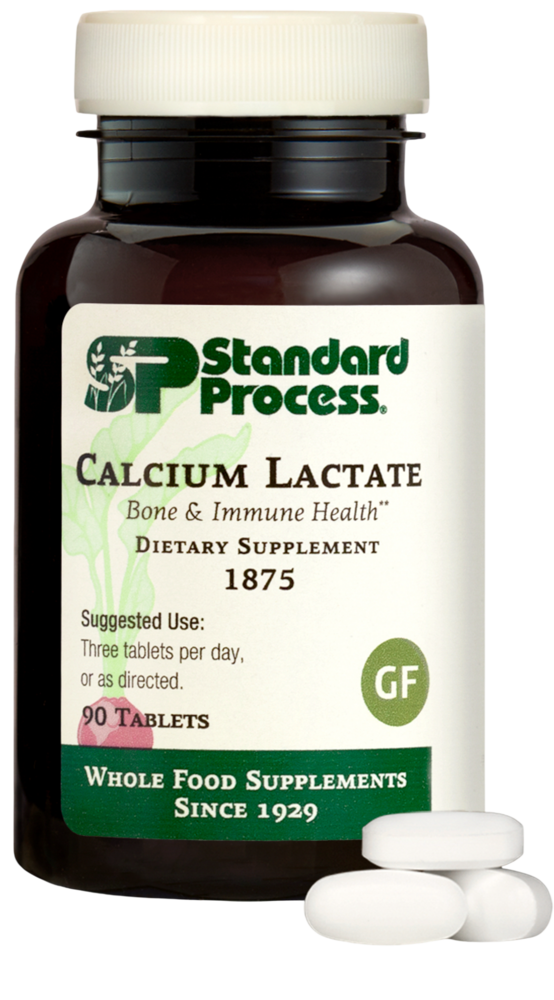
Introduction and Benefits
Most people know they need calcium. What they may not know is that the type of calcium they take can make a big difference in how well their body actually uses it.
Calcium lactate is one form of calcium that does not always get the spotlight. But it has some real advantages worth knowing about.
So what is it, exactly? Calcium lactate is a compound made when lactic acid binds to calcium. It sounds technical, but the simple version is this: it is a gentler, easier-to-absorb form of calcium compared to some of the more common options out there, like calcium carbonate.
One of the biggest things people notice is that calcium lactate tends to be easier on the stomach. Calcium carbonate, for example, needs a lot of stomach acid to break down properly. If your stomach acid is on the lower side (which becomes more common as we age), your body may not absorb it well at all. Calcium lactate does not have that problem. It dissolves more easily and does not require a meal to work properly.
Here is a quick look at what calcium lactate may help with:
- Bone strength. Calcium is the main building block of bone. Getting enough of it, in a form your body can actually use, matters a lot for keeping bones strong as you age.
- Muscle function. Calcium plays a key role in how your muscles contract and relax. Low calcium can show up as cramps, twitching, or just feeling off.
- Nerve signaling. Your nerves use calcium to send signals. It is part of what keeps your body communicating the way it should.
- Heart health. The heart is a muscle too. Calcium helps it beat in a steady, regular rhythm.
- Teeth. Like bones, teeth rely on calcium to stay strong and dense.
For people who want steady calcium support without the bloating or constipation that some other forms can cause, calcium lactate is often a comfortable choice.
Optimize Your Health Today
Don't overpay for questionable quality. Get guaranteed authentic products directly from Dr. Bell's dispensary for less than Amazon, plus enjoy free shipping and returns.
Key Ingredients
When you look at a calcium lactate supplement, the main ingredient is, of course, calcium lactate itself. But it helps to understand what that means for your body.
Calcium Lactate This is the star of the show. Each tablet or capsule contains elemental calcium, which is the actual amount of calcium your body gets to use. Calcium lactate has a lower percentage of elemental calcium than calcium carbonate, but that is not necessarily a bad thing. The calcium it does contain is much easier for your body to absorb, which means less can sometimes go further.
Magnesium (often paired with calcium) Many calcium lactate products also include magnesium. These two minerals work closely together. Magnesium helps your body activate vitamin D, and vitamin D helps your body absorb calcium. Leaving magnesium out is like trying to start a car without the ignition.
Vitamin D Some formulas include vitamin D3. This is a smart addition. Without enough vitamin D, your body struggles to pull calcium from food or supplements and put it to use. Think of vitamin D as the doorman that lets calcium into your bones.
Vitamin K2 This one is becoming more common in bone support formulas. Vitamin K2 helps direct calcium to the right places, mainly your bones and teeth, rather than letting it build up in soft tissue or arteries.
Together, these ingredients create a formula that supports calcium from multiple angles. Not every product includes all of them, so it is worth reading the label.
Who It Is Best For
Calcium lactate is not a one-size-fits-all solution, but it works especially well for certain people.
People with sensitive stomachs. If other calcium supplements have made you feel bloated, constipated, or gassy, calcium lactate is usually much easier to tolerate.
Older adults. Stomach acid tends to decrease with age. Since calcium lactate does not rely on high stomach acid to absorb, it is a better fit for many people over 50.
Women going through menopause. Bone density can drop quickly during and after menopause. Making sure calcium is actually getting absorbed matters even more during this time.
People who have been told they are calcium deficient. If your doctor has flagged low calcium levels, you want a form that your body can actually put to use. Calcium lactate checks that box.
Those who cannot always take supplements with food. Unlike calcium carbonate, calcium lactate can be taken with or without a meal.
It is always a good idea to talk to your doctor or chiropractor before starting any new supplement, especially if you take medications or have kidney issues.
Frequently Asked Questions
Is calcium lactate the same as dairy? No. The word "lactate" comes from lactic acid, not from dairy milk. Calcium lactate is generally considered safe for people who are lactose intolerant. That said, if you have a severe dairy allergy, double-check with your doctor and read the product label carefully.
How much should I take? Most adults need around 1,000 to 1,200 mg of elemental calcium per day from all sources combined, including food. Always follow the dosage on your specific supplement and talk to a healthcare provider to figure out what is right for you personally.
Can I take too much calcium? Yes. Getting far more than your body needs can lead to problems, including kidney stones or calcium building up in the wrong places. More is not always better. Stick to recommended amounts.
When is the best time to take it? Calcium lactate is flexible. You can take it with or without food. Some people split their dose between morning and evening, since the body can only absorb so much at one time.
Will it interact with my medications? Calcium can interact with certain medications, including some thyroid drugs, antibiotics, and blood pressure medications. Always check with your doctor or pharmacist if you are on any prescriptions.
Scientific Research
Research on calcium lactate is not brand new. Scientists have been studying how different forms of calcium absorb and work in the body for many years.
A study published in the American Journal of Clinical Nutrition looked at how various calcium compounds are absorbed. It found that calcium from more soluble forms (ones that dissolve easily) tended to absorb better, especially in people with lower stomach acid. You can explore related research through the NIH Office of Dietary Supplements here: https://ods.od.nih.gov/factsheets/Calcium-HealthProfessional/
Research from PubMed also supports the role of calcium in bone density and fracture prevention, particularly in older adults and postmenopausal women. One relevant review can be found here: https://pubmed.ncbi.nlm.nih.gov/17720017/
The combination of calcium with vitamin D has been studied extensively. The NIH confirms that the two work together, and that taking calcium without enough vitamin D limits how well it works. More on that here: https://pubmed.ncbi.nlm.nih.gov/19116323/
The bottom line from the research is that calcium matters for bone and muscle health at every age. And the form you take can affect how much your body actually benefits from it. Calcium lactate holds up well in that conversation.

About the Author: Dr. Bell
Dr. Bell is a leading expert at Dr. Bell Health. As a holistic health practitioner and chiropractor with a deep passion for evidence-based supplementation, Dr. Bell provides trustworthy, science-backed insights to help you achieve your optimal health.