Calsol Review by Dr. Bell
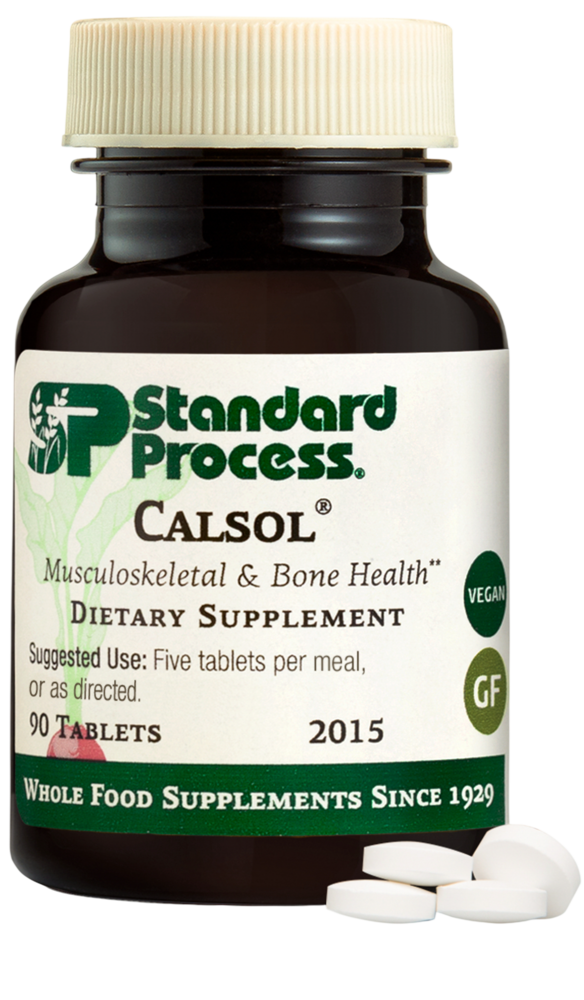
Calsol is a liquid calcium supplement designed for better absorption. Learn what's in it, who it helps most, and what the research says.

Introduction and Benefits
If you have ever stood in the supplement aisle staring at a wall of calcium products, you know how confusing it can get. Powders, tablets, chews, liquids. It is a lot to sort through. Calsol is a liquid calcium supplement that has been getting more attention lately, and for good reason.
Calcium is one of the most important minerals in your body. Most people know it helps keep bones strong. But it also plays a big role in muscle function, nerve signaling, and even your heartbeat. Getting enough of it every day matters more than most people realize.
So what makes Calsol stand out from a regular calcium pill? The short answer is the liquid form. Your body has to work hard to break down a tablet before it can use what is inside. With a liquid supplement, that step is already done. Your body can get to work absorbing the calcium much faster and more easily.
Here is a quick look at what people often notice when they use Calsol regularly:
- Stronger nails and hair over time
- Better support for bone density, especially important as you age
- Muscle cramps that happen less often
- A general sense of feeling more supported, especially if your diet is low in dairy or leafy greens
Calsol is also gentle on the stomach. Some calcium supplements, especially calcium carbonate, can cause bloating or constipation. A well-formulated liquid like Calsol tends to be easier to digest.
Optimize Your Health Today
Don't overpay for questionable quality. Get guaranteed authentic products directly from Dr. Bell's dispensary for less than Amazon, plus enjoy free shipping and returns.
Key Ingredients
Calsol typically contains calcium in a form that is easy for your body to absorb. Many liquid calcium products use calcium gluconate or calcium citrate because these forms dissolve well and do not require a lot of stomach acid to be used by the body.
Here is a breakdown of what you will commonly find in Calsol:
Calcium Citrate
This is one of the better-absorbed forms of calcium you can find in a supplement. Unlike calcium carbonate, which needs stomach acid to break down, calcium citrate works well even if you take it on an empty stomach. This makes it a good fit for people who have sensitive digestion or who take acid-reducing medications.
Vitamin D3
You will often see Vitamin D3 paired with calcium, and there is a good reason for that. Vitamin D helps your body actually pull calcium out of your food and supplements and get it into your blood. Without enough Vitamin D, your body can miss out on a lot of the calcium you are taking in. Think of Vitamin D as the helper that opens the door for calcium.
Magnesium
Magnesium is another mineral that works closely with calcium. It helps regulate how calcium moves in and out of your cells. It also supports muscle relaxation, which is why getting the right balance of both minerals can help with cramps and tension.
Other Supporting Nutrients
Depending on the specific formula, Calsol may also include Vitamin K2, which helps direct calcium to your bones rather than letting it build up in soft tissues. Some formulas also include trace minerals like zinc and boron, which support bone health in smaller but still meaningful ways.
Who It Is Best For
Calsol is a good fit for a pretty wide range of people. Here are some groups who tend to benefit the most:
Women over 40. Bone density starts to decline with age, especially after menopause. Getting enough calcium every day becomes more important during this time.
People who avoid dairy. If you are lactose intolerant, vegan, or just do not eat much dairy, it can be hard to get enough calcium from food alone.
Anyone with digestive issues. If tablets or capsules bother your stomach, a liquid supplement is often much easier to handle.
People who take acid-blocking medications. These drugs can lower stomach acid, which makes it harder to absorb certain forms of calcium. Calcium citrate in liquid form gets around this problem.
Active adults and athletes. Muscles need calcium to contract properly. If you are working out regularly, keeping your calcium levels up supports both performance and recovery.
If you are not sure whether Calsol is right for you, it is always a good idea to check with Dr. Bell or your health care provider before starting any new supplement.
Frequently Asked Questions
How do I take Calsol? Most liquid calcium supplements are taken once or twice a day, usually with a meal. Follow the directions on the label, or ask Dr. Bell what dose makes sense for your situation.
Can I take Calsol with other supplements? In most cases, yes. Calcium, magnesium, and Vitamin D all work well together. That said, calcium can interfere with iron absorption if taken at the same time. If you are also taking an iron supplement, try to space them a few hours apart.
Will Calsol upset my stomach? Liquid calcium citrate is generally one of the gentler options on the market. Most people do not experience any stomach issues, but if you are sensitive, start with a smaller amount and work up to the full dose.
How long before I notice a difference? Supplements work best over time. Some people notice changes in their nails or muscle cramps within a few weeks. For bone health, you are really looking at months of consistent use before meaningful changes show up.
Is Calsol safe for older adults? Yes, it tends to be a good option for older adults because the liquid form is easy to absorb and easy to swallow. Always check with a doctor if there are any existing health conditions or medications involved.
Scientific Research
The benefits of calcium and its supporting nutrients are backed by a solid body of research. Here are a few studies worth knowing about, explained in plain English:
Calcium and Bone Health A long-term study published through the NIH found that calcium supplementation, especially when paired with Vitamin D, helped slow bone loss in older women. You can read more at https://www.ncbi.nlm.nih.gov/pmc/articles/PMC3330619/
Calcium Citrate vs. Calcium Carbonate Research has shown that calcium citrate is absorbed about 22 to 27 percent better than calcium carbonate, especially in people with lower stomach acid. This study is available through PubMed at https://pubmed.ncbi.nlm.nih.gov/3880863/
Vitamin D and Calcium Absorption A review published by the NIH confirmed that Vitamin D plays a direct role in helping the intestines absorb calcium. Without enough Vitamin D, your body simply does not take in calcium as well. You can find this review at https://www.ncbi.nlm.nih.gov/pmc/articles/PMC3257679/
Magnesium and Bone Density A study in the American Journal of Clinical Nutrition found a clear link between magnesium intake and bone mineral density. People with higher magnesium levels tended to have stronger bones. Check it out at https://pubmed.ncbi.nlm.nih.gov/9630395/
The research supports what many people experience firsthand. When you give your body the right nutrients in a form it can actually use, things tend to work better. Calsol brings together several of these key nutrients in an easy-to-take liquid form, which makes it a solid choice for everyday bone and muscle support.

About the Author: Dr. Bell
Dr. Bell is a leading expert at Dr. Bell Health. As a holistic health practitioner and chiropractor with a deep passion for evidence-based supplementation, Dr. Bell provides trustworthy, science-backed insights to help you achieve your optimal health.